Most people who put a well and septic property under contract in Appling brace for the wrong risk. They worry about the tank failing, the drain field backing up, a $20,000 repair bill that shows up mid-negotiation. Those things happen, but they are not what actually eats closing dates in this part of Columbia County. What eats closing dates is scheduling. A septic evaluation and a well water test each run on their own calendar, set by rules neither the buyer nor the seller controls, and if nobody starts the clock on day one of the contract, the paperwork can still be pending the week you were supposed to close.
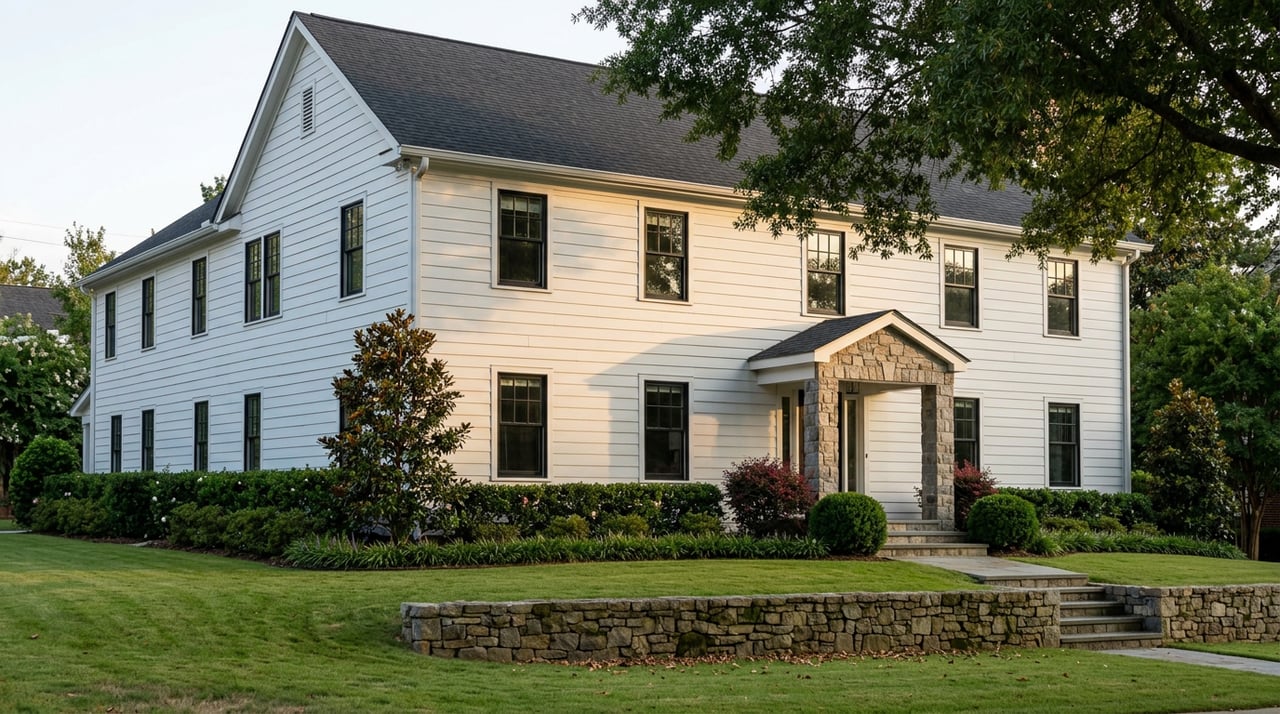
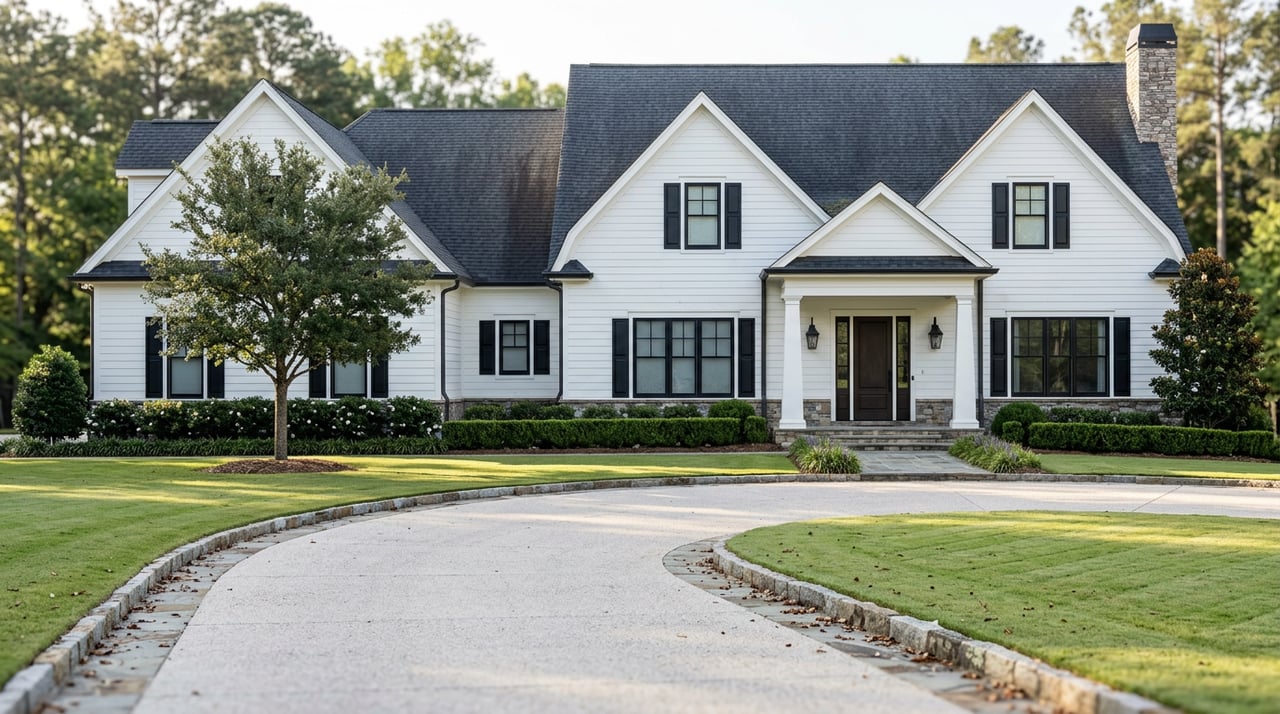
Appling is the county seat of Columbia County, but most of its residential land looks nothing like the subdivisions closer to Evans or Martinez. Parcels here run from two or three acres to twenty or more, many backing up to Army Corps of Engineers land near J. Strom Thurmond Lake, or fronting long stretches of road out toward Ridge Road and Ray Owens Road. Almost none of it sits on county water or sewer. That means nearly every transaction in Appling includes two systems that a suburban buyer in a sewer-and-city-water neighborhood never has to think about: a private well and an onsite septic system. Understanding how those two systems actually get certified, not just inspected, is the difference between a closing that goes smoothly and one that slips two or three weeks past the date on the contract.
Two Systems, Two Clocks, One Closing Date
Georgia does not require a septic inspection at the point of sale. No state law and no Columbia County ordinance makes it mandatory. In practice, that legal fact means almost nothing, because the lenders do require it. FHA and VA loans require a written certification that the septic system is functioning properly before they will clear to close, and most conventional lenders ask for the same thing once they know a property is on a private system. The same logic applies to well water. VA and FHA loans require proof that the water meets local health standards, tested by someone with no financial interest in the sale.
So the legal requirement and the practical requirement point in different directions, and the practical one is the one that determines your closing date. Here is roughly how the two processes compare once you are under contract.
| Septic evaluation | Well water test | |
|---|---|---|
| Who performs it | County Environmental Health office or a private DPH-certified inspector | Certified lab, often coordinated through UGA Extension |
| Typical cost | $400 to $600 for a county Performance Evaluation Report, $300 to $500 for a private certified inspection | $66 for the standard household well test (W2), more for expanded chemical screening |
| Turnaround | Field visit takes 2 to 4 hours; the written report can take the county 1 to 3 weeks to issue | About ten business days after the sample reaches the lab |
| The catch | If the tank is undocumented or the lids are buried, expect delays before the inspector can even start | The sample has to be collected and shipped under a specific protocol, not just dropped off whenever it's convenient |
Look at those two turnaround windows together. If you wait until the middle of your due diligence period to schedule either one, you are already behind. A 30-day due diligence period sounds generous until you realize the septic report alone can eat half of it, and the well test has its own separate deadline sitting on top.
The Well Test Has a Narrow Window Most Buyers Never Hear About
Here is the detail that catches people off guard. Columbia County's water testing office, run through UGA Extension, is physically located inside Appling itself, at 6420 Pollards Pond Road. That is not incidental. It means the same office that tests water for homes throughout the county sits inside the neighborhood where private wells are the norm rather than the exception.
The test itself is not something you can do on your own schedule. To get an accurate reading, the sample has to be a first draw, collected after a minimum of six hours and no more than twelve hours with no water use in the house. Early morning or right after coming home in the evening are the only windows that work. Once collected, the sample has to be mailed overnight in a sealed, lab-provided bottle, and it has to reach the shipping carrier within a tight window, Monday through Wednesday, between noon and two in the afternoon. Miss that window and the sample sits, and a delayed sample can mean a delayed or invalid result.
Add it up and a well test is not a same-day inspection you schedule the way you'd schedule a home inspection. It is a multi-day sequence: schedule the kit, plan the household's water use around a twelve-hour stagnation window, collect the sample at the right time of day, and get it to a carrier during a three-day, two-hour weekly window. Then wait roughly ten business days for the lab to respond. If a buyer's agent treats this like a phone call they can make during option period, the timeline breaks.
The Septic Report Runs on the County's Schedule, Not the Contract's
The septic side has its own friction. Georgia ties the size of a septic system to bedroom count, so a four-bedroom home needs a larger system than a two-bedroom one, and if a buyer is planning to finish a bonus room into a fifth bedroom right after closing, that plan can trigger a new evaluation of system capacity before anyone touches it. Setback rules add another layer: Georgia requires at least 50 feet between a well and a septic tank, 100 feet from a drain field, and 150 feet from a cesspool. On a two-acre lot those setbacks can be tight. On Appling's typical five, ten, or twenty-acre parcels, they rarely constrain anything, which is one reason land here is often marketed with an "approved septic permit" as a selling point rather than an afterthought, the way you'll see on listings around Bill Dorn Estates or in tracts near McConnell Run.
The evaluation itself, once scheduled, usually finds small things rather than catastrophic ones: a cracked lid, a degraded baffle, a buried access port that takes an hour to dig out before the inspector can even begin. Those are cheap to fix if they're found early. What is not cheap, and not fast, is the paperwork after the visit. The county's written report, the one your lender actually needs to clear the file, can take one to three weeks to arrive after the field visit is complete. If your due diligence period closes before that report exists, you are negotiating without the one document that tells you what you're negotiating about.
Building the Actual Timeline
If you are under contract on an Appling property with a well and septic system, the sequence that protects your closing date looks like this. Schedule the septic evaluation the day the contract is signed, not the day due diligence starts to feel urgent. Ask your lender in writing whether they require a county Performance Evaluation Report or will accept a private DPH-certified inspection, since the private route is often faster. Separately, schedule the well test as its own task with its own owner, because it involves a stagnation period and a shipping window that has nothing to do with when an inspector is available. If you're buying with a VA loan, confirm early that both the septic certification and the well test are in motion, since VA underwriting will not move without both.
None of this means Appling's acreage properties are harder to close than a subdivision home in Evans or Martinez. It means the friction here is procedural rather than financial, and procedural friction is manageable the moment someone names it early enough to plan around it.
Frequently Asked Questions
Does Georgia require a septic inspection before a home can be sold? No. There is no state or Columbia County ordinance mandating a point-of-sale septic inspection. Lenders, not the state, are the ones who effectively require it, since FHA, VA, and most conventional loans will not close without documentation that the system functions properly.
Is well water testing mandatory for VA and FHA loans? Yes. Both loan types require proof that a private well's water meets local health standards, and the test has to be performed by someone with no financial stake in the transaction, not the buyer, seller, or their agents.
If a lot already has an approved septic permit, does that mean no further testing is needed at closing? An approved permit on file confirms the system was designed and installed to code at the time of construction. It does not substitute for a current functionality inspection. Lenders still want documentation that the existing system is working properly at the time of sale, regardless of how it was originally permitted.
If you're weighing a well and septic property in Appling, whether you're buying acreage near the lake or preparing to list one, the timeline matters as much as the price. Demetrius Carter has walked Appling buyers and sellers through exactly this sequence and can help you build a closing calendar that accounts for it from day one. Schedule a free consultation to start planning yours.