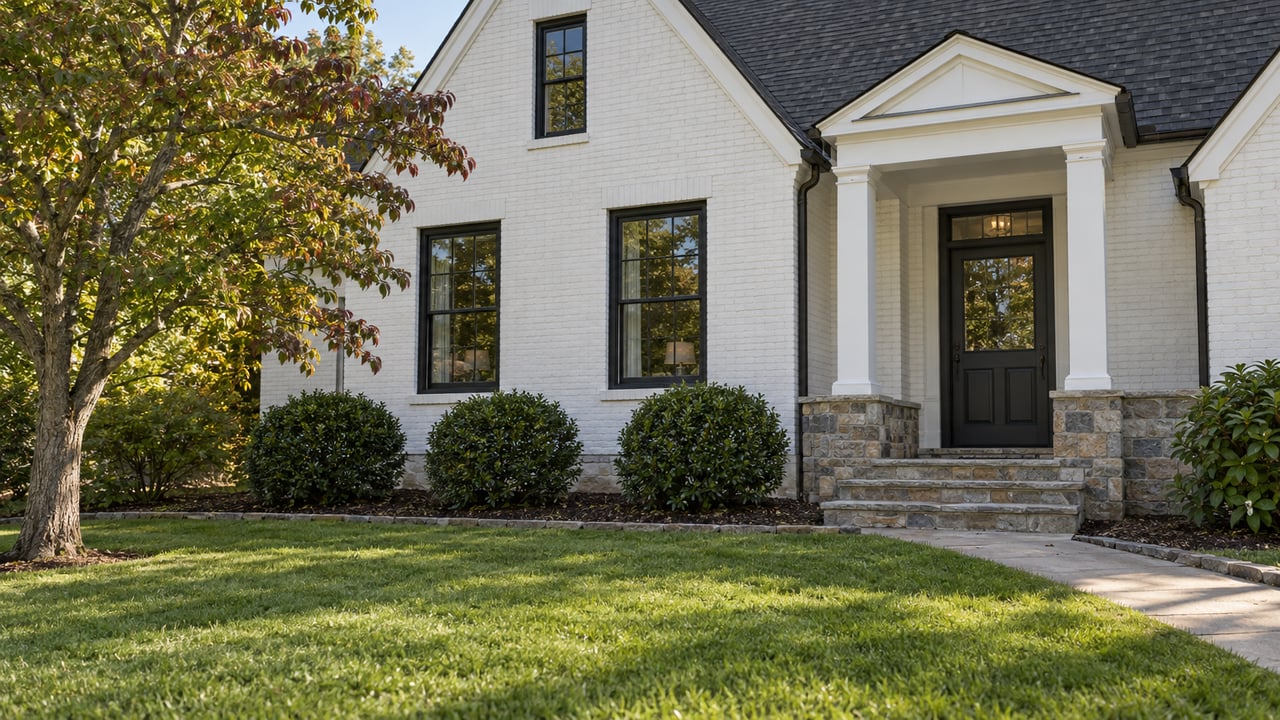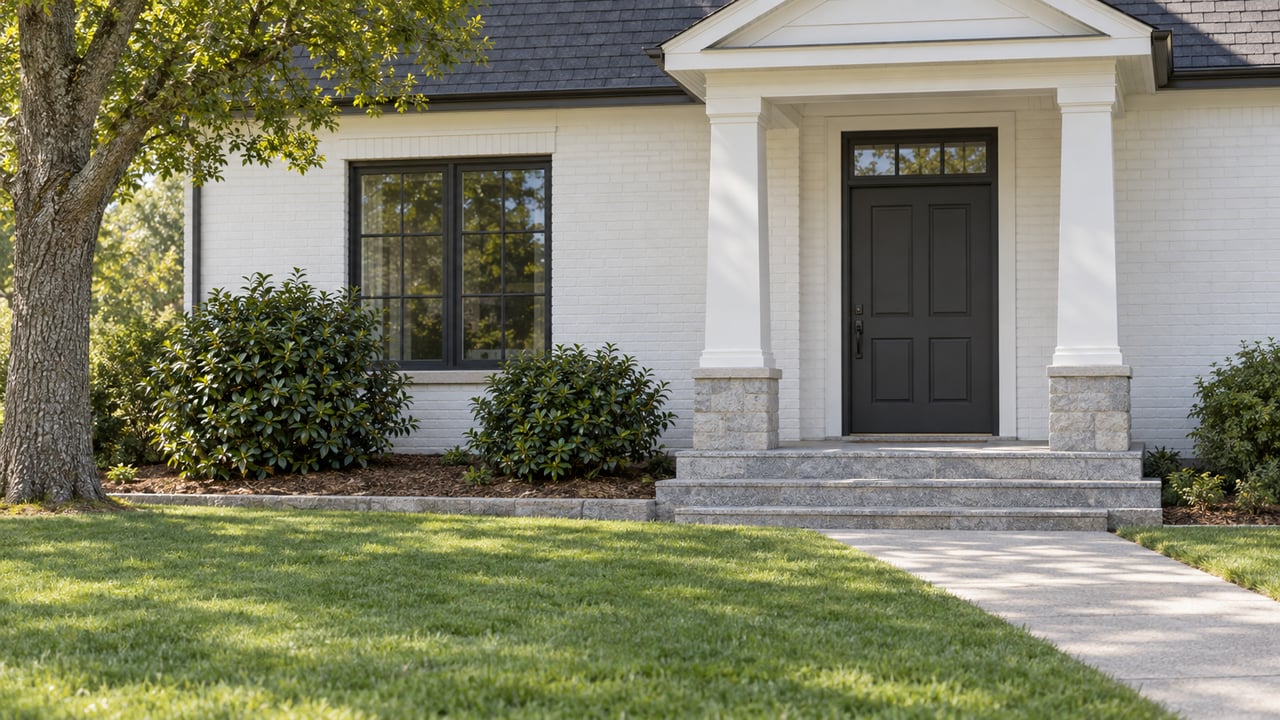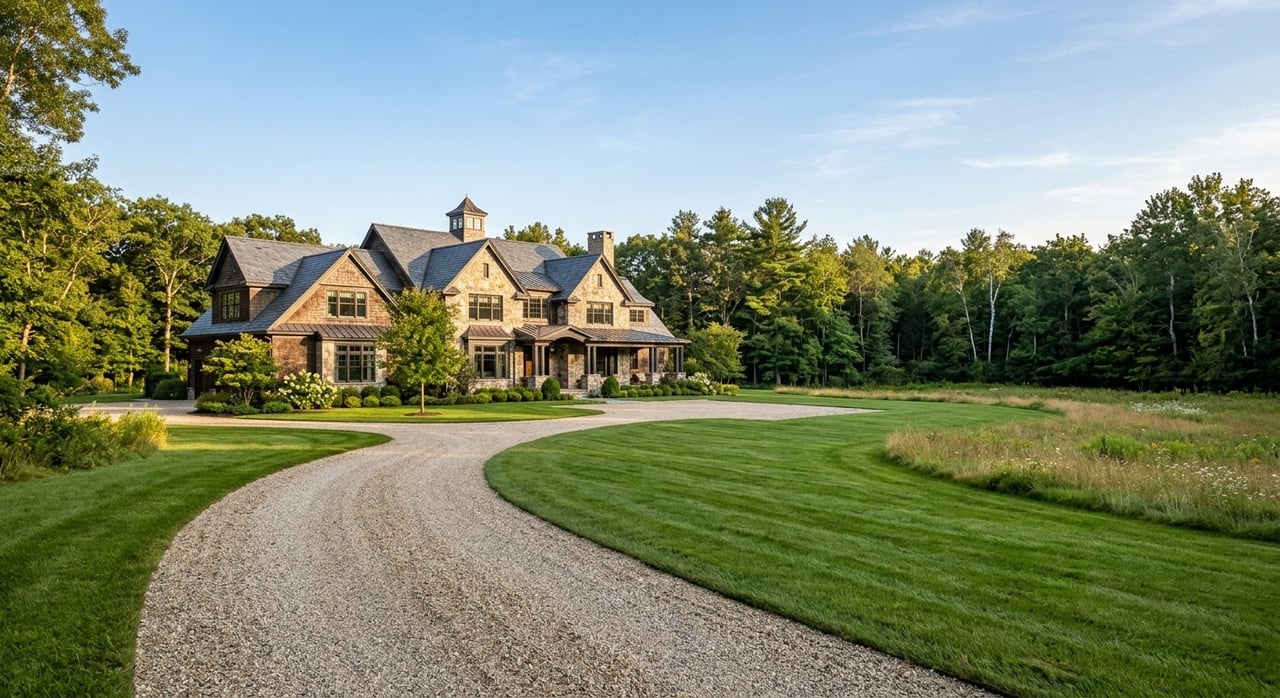
Looking for room to spread out in Appling? Buying a home with acreage can give you more privacy, more flexibility, and a very different lifestyle than a typical subdivision home. It can also come with more homework up front, especially around zoning, access, septic, wells, and floodplain review. If you want to buy with confidence, it helps to know what matters most before you fall in love with the land. Let’s dive in.
Why Appling acreage is different
In Appling, the land is often just as important as the house. Columbia County’s long-range planning treats Historic Appling as a rural area with significant historic resources, and the county’s rural corridors are intended to preserve rural character while limiting issues like excessive driveway cuts along two-lane roads. That means acreage properties here should be viewed as site-specific rural parcels, not just larger versions of subdivision lots.
For you as a buyer, that changes the checklist. A home on several acres may offer more space and privacy, but the practical details can have a bigger impact on daily life and future plans. Before you think about barns, workshops, extra dwellings, or garden space, you need to confirm what the property can actually support.
Start with zoning and lot rules
Zoning is one of the first things to verify when buying acreage in Appling. Columbia County’s zoning information notes that its fact sheets are general guidance, and buyers can request a zoning verification letter from Planning to confirm the zoning and whether a proposed use is allowed. That step can help you avoid costly assumptions.
One of the most relevant zoning categories for acreage buyers is the R-A Residential Agricultural district. According to the county’s fact sheet, this district is intended for rural farm and agricultural uses and very low-density, non-suburban development. It sets a minimum lot size of 2.5 acres and minimum frontage of 150 feet.
The R-A fact sheet also lists uses that may include:
- Detached single-family homes
- Double-wide manufactured homes
- Barns
- Small-scale agriculture
- Timber harvesting
- Ancillary dwelling
- Home occupations
Even if zoning appears to allow your intended use, private covenants may still limit what you can do. That is why it is smart to review both county rules and any private restrictions before moving forward. A property can look ideal on paper but still have practical or private-use limits.
Expect a mix of lot sizes
Appling does not have one standard acreage size. Recent listing snapshots show a mix of parcels, including around 1.12 acres, 1.77 acres, 2.5 acres, 5.02 acres, and 6.65 acres. That tells you the local market includes both smaller rural-style lots and larger tracts.
This matters because the number of acres alone does not tell the full story. A 2.5-acre parcel with usable layout, road frontage, and clear utility options may work better than a larger tract with access or drainage issues. In other words, usable land matters more than raw acreage.
Utilities can make or break the deal
When you buy acreage in Appling, utilities deserve early attention. Columbia County planning information says water service reaches much of the county, but sewer service is limited mostly to more densely developed areas in the southeastern part of the county. In rural areas like Appling, septic systems are commonly used for primary sewer treatment.
That means your first utility question is often not whether the home has city-style services. It is whether the property uses county water, a private well, septic, or some combination of those systems. The answer can shape both your upfront due diligence and your long-term maintenance responsibilities.
What to ask about water
If a property uses a private well, ask for details early. Georgia’s Department of Public Health says wells should be installed by licensed contractors, kept at required setbacks from septic components, and tested regularly. The agency recommends annual bacterial testing and chemical screening every three years.
For buyers, that means a well is not automatically a problem, but it is a system you need to understand. Ask what testing has been done, when it was last completed, and whether any results are available. That simple step can give you a clearer picture of the property’s condition.
What to ask about septic
Septic should get the same level of attention. Georgia DPH says onsite sewage systems are regulated locally through county environmental health offices under statewide rules. If the home relies on septic, confirm permit status and inspection history through the local process whenever possible.
You also want to think beyond the existing home. If you hope to add structures or expand outdoor improvements later, the location of the septic system and drain field can affect what space is truly usable. That is one reason acreage purchases need a more detailed review than a typical in-town lot.
Access and driveway rules matter more than many buyers expect
Road access is a major issue with acreage properties. Columbia County’s GIS office assigns and verifies addresses outside Grovetown and Harlem, and the county notes that driveway access determines the address. The county also states that it does not maintain private roads or driveways.
That point matters because not every road is county-maintained. The county specifically lists roads such as Appling Harlem Road and Scott’s Ferry Road among roads that are not county-maintained. If your property depends on a private road or driveway, maintenance may fall on the owner rather than the county.
Driveway review can be important too. Columbia County says driveway encroachments into county rights-of-way must be reviewed, and driveway design must meet county standards and GDOT sight-distance rules. If a property needs a new or modified driveway, that should be part of your due diligence before closing.
Floodplain and drainage should be checked early
Large lots can include low-lying areas, creeks, or drainage-sensitive land that does not show up clearly in a listing photo. Columbia County uses the FEMA 100-year flood standard for floodplain management and makes official flood maps available through county offices. The county also notes that flood insurance is mandatory for many federally related loans when a building is in a Special Flood Hazard Area.
For you, this means the house site is only part of the review. You should also ask whether the driveway, outbuildings, or any future build site touches a floodplain or drainage-sensitive area. A parcel can look spacious and attractive, but the usable part of the land may be smaller than you expect.
Rural living comes with tradeoffs
Many buyers are drawn to Appling because they want breathing room, privacy, and a slower pace. Columbia County’s planning documents emphasize low density, deep setbacks, open space, rural roads, and limited public utility infrastructure in these areas. That supports the appeal of acreage living, especially if you want more separation from neighboring homes.
At the same time, rural living often comes with more owner responsibility. In a subdivision, some infrastructure and access issues are more standardized. On acreage, you may need to think more carefully about wells, septic, drainage, driveway design, frontage, and land layout.
There is also a longer-term planning angle to keep in mind. Columbia County’s growth plan identifies the Appling-Harlem Employment Center along I-20 and Appling-Harlem Road, and it notes that the Appling area may be impacted by future development. If you love Appling for its quiet setting today, it is worth understanding how corridor growth could shape the area over time.
A smart Appling acreage checklist
Before you buy a home with acreage in Appling, focus on the basics that affect daily use and future plans.
Confirm zoning first
Use the county’s parcel and zoning tools as a starting point, then request a zoning verification letter if needed. This is especially important if you want a barn, home occupation, ancillary dwelling, or another rural use. Never assume a use is allowed just because a property has acreage.
Verify legal access
Check whether the parcel fronts a public road and whether the road is county- or state-maintained. If access is by a private road, ask who handles maintenance and whether there are any written agreements. Access issues can be easy to miss if you focus only on the home itself.
Check water and sewer reality
Ask whether the property is on county water, private well, or both. Then confirm whether the home uses sewer or septic. In Appling, septic is often the norm on acreage, so it is important to understand the actual setup rather than assume standard utility service.
Test the well and inspect septic
If there is a well, ask for recent testing and consider updated testing as part of due diligence. If there is a septic system, review permit and inspection history when available. These systems are central to how the property functions, so they deserve careful review.
Review flood and drainage
Check the county flood map and ask whether the home site, driveway, or any future building area touches the floodplain. Also pay attention to drainage patterns across the lot. A beautiful piece of land still needs to be practical.
Treat the lot like a site plan
Look at frontage, setbacks, covenants, and the actual shape of the parcel. You want to know whether the land leaves enough usable space for the home, septic field, driveway, and any outbuildings or outdoor features you may want. This is where a seemingly large lot can turn out to be more limited than expected.
The bottom line on buying acreage in Appling
Buying a home with acreage in Appling can be a great fit if you want more land, privacy, and flexibility. The key is to look beyond the listing photos and focus on how the property works in the real world. Zoning, access, utilities, septic, wells, and floodplain review are not side issues here. They are central to making a smart purchase.
If you are comparing homes with acreage in Appling, having a local guide can make the process a lot clearer. Demetrius Carter can help you look past the surface, ask the right questions, and move forward with confidence.
FAQs
What should you check first when buying acreage in Appling?
- Start with zoning, lot size, frontage, and whether your intended use is actually allowed by Columbia County.
How common are septic systems for homes with acreage in Appling?
- Very common. Columbia County planning information shows rural areas typically rely on septic systems rather than sewer service.
How do private wells affect buying a home with acreage in Appling?
- A private well means you should review installation details and testing history, since Georgia DPH recommends annual bacterial testing and chemical screening every three years.
Why does road access matter for acreage homes in Appling?
- Access affects the property’s address, driveway approval, and maintenance responsibility, especially if the road or driveway is private rather than county-maintained.
How do floodplains affect homes with acreage in Appling?
- Floodplains can limit where you build, expand, or place improvements, and flood insurance may be required for many federally related loans if a building is in a Special Flood Hazard Area.
Can you assume a larger lot in Appling is more usable?
- No. Usability depends on frontage, setbacks, parcel shape, septic layout, drainage, access, and any covenants, not just total acreage.